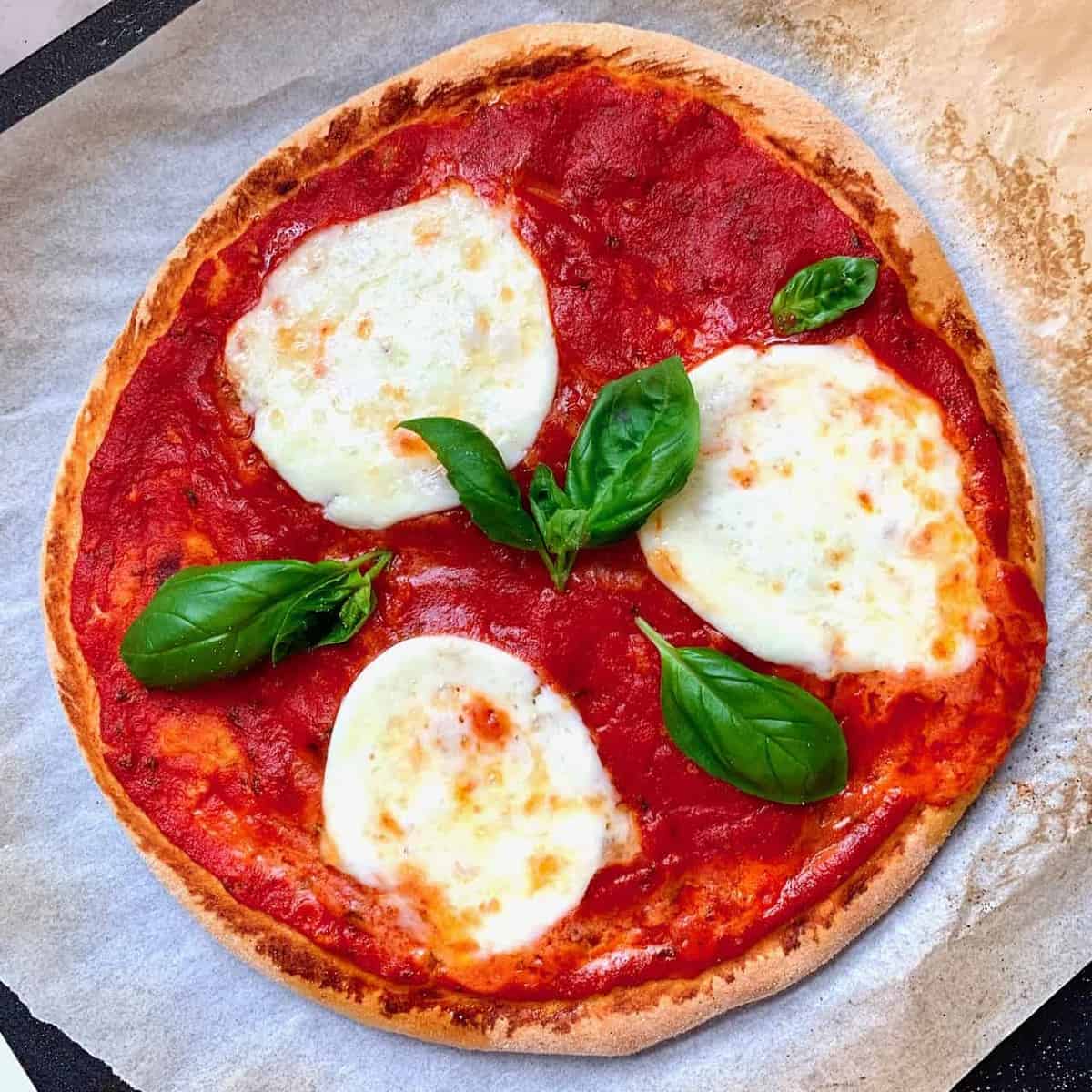
Master Authentic Neapolitan Pizza Marinara with Poolish Dough
Imagine biting into a pizza that transports you directly to the sun-drenched streets of Naples – a delicate, blistered crust, vibrant tomato sauce, the pungent aroma of garlic, and a drizzle of rich olive oil. This isn't just any pizza; this is Pizza Marinara, the original Neapolitan masterpiece, often overshadowed by its cheesier cousin, the Margherita. For many, the journey to creating a truly delicious homemade Neapolitan pizza Marinara style at home seems daunting. You might have tried quick doughs or pre-made bases, but if you're ready to elevate your pizza game and learn the secrets of an authentic Italian-style pizza dough recipe, you’ve come to the right place. This article will guide you through the transformative process of using a *poolish* preferment to achieve an authentic Marinara experience right in your own kitchen.
The Soul of Neapolitan Pizza: Understanding Marinara's Simplicity
Pizza Napoletana, or Neapolitan pizza, hails from Naples, Italy, and is renowned for its thin, soft, and elastic crust with a distinct puffy, airy edge known as the *cornicione*. It's a testament to the power of simple, fresh ingredients expertly combined. Among its esteemed varieties, Pizza Marinara stands out for its minimalist brilliance. Consisting solely of crushed San Marzano tomatoes, fresh garlic, oregano, and extra-virgin olive oil, it proudly omits cheese, allowing the purity of its core components to shine. Its name, "marinara," meaning "mariner's style," dates back to the 18th century, referring to the simplicity of ingredients readily available to fishermen returning from sea.
Unlike the crisp, firm pizzas many are accustomed to, an authentic Neapolitan Marinara pizza is typically "wetter" and softer in its center, making it challenging to eat in neat slices. This isn't a flaw but a hallmark of its high-hydration dough and perfectly balanced sauce-to-dough ratio. Embrace the fold – the true Neapolitan way to enjoy this sublime creation! While strict traditionalists might forgo basil on a Marinara, many home cooks (myself included) find a few fresh basil leaves add a wonderful aromatic touch that complements the robust flavors beautifully.
Why Poolish Dough is a Game-Changer for Authentic Flavor
The cornerstone of any truly delicious homemade Neapolitan pizza Marinara style lies in its dough, and for unparalleled flavor and texture, a *poolish* preferment is your secret weapon. But what exactly is poolish? It's a type of yeast-based preferment, typically a liquid mixture of equal parts flour and water with a very small amount of yeast, left to ferment slowly over an extended period. This initial, long fermentation is not merely a step; it's a profound transformation that adds incredible depth and character to your pizza dough.
The benefits of incorporating poolish are manifold:
*
Enhanced Flavor Profile: The slow, extended fermentation allows yeast and beneficial bacteria to develop complex organic acids, imparting a nuanced, slightly tangy, and incredibly rich flavor that simply cannot be achieved with quick-rise doughs. This depth of flavor is what distinguishes truly authentic Neapolitan pizza.
*
Superior Texture: Poolish contributes significantly to the dough's structure, leading to a lighter, airier crust with a more open crumb and that coveted chewy, elastic texture. The *cornicione* becomes exquisitely tender with delicate blisters.
*
Improved Digestibility: The longer fermentation process helps to break down complex carbohydrates in the flour, making the final pizza easier to digest and less likely to cause that heavy, bloated feeling often associated with less fermented doughs.
*
Increased Dough Strength: By pre-fermenting a portion of the flour, poolish helps to build gluten structure, resulting in a more extensible and manageable dough that is easier to stretch thinly without tearing.
While the concept of a preferment might sound intimidating, making poolish is surprisingly simple – a mere mix of flour, water, and yeast, followed by patience. This commitment to traditional methods, even in a home kitchen, brings you remarkably closer to the reverence I’ve developed for authentic Italian pizza-making techniques. No more frozen pizza bases for me; the journey of crafting genuine dough is an infinitely more rewarding experience.
Crafting Your Delicious Homemade Neapolitan Pizza Marinara: Beyond the Oven
Achieving certified authentic Neapolitan pizza (Vera Pizza Napoletana) comes with a long list of strict rules: specific "00" flour, fresh yeast, hand-kneading methods, and crucially, baking in a wood-fired oven at temperatures exceeding 900°F (485°C) for no more than 90 seconds. While these conditions are largely unattainable for the home cook, don't despair! We can still create a *delicious homemade Neapolitan pizza Marinara style* that honors the spirit and principles of the original.
Our focus at home is on mastering the dough and optimizing our cooking environment.
*
The Dough: Begin by preparing your poolish, allowing it to ferment at room temperature for several hours or overnight in the refrigerator. Once mature, combine it with the remaining flour, water, a minimal amount of yeast, and fine sea salt. Knead gently until a smooth, elastic dough forms. A long, cold fermentation (24-72 hours) in the refrigerator after initial bulk fermentation is key for flavor development and digestibility. Once proofed, gently divide and ball your dough.
*
The Sauce: Simplicity reigns supreme. Opt for high-quality imported San Marzano DOP (Denominazione d'Origine Protetta) crushed tomatoes. These tomatoes, grown in the volcanic soil of Mount Vesuvius, offer a natural sweetness and low acidity. A pinch of salt is all they need – no cooking required!
*
The Toppings: Thinly sliced fresh garlic is essential; avoid granulated garlic. A sprinkle of dried oregano and a generous swirl of the finest extra-virgin olive oil are your final touches. As mentioned, if you adore basil, a few fresh leaves after baking or even before can be a delightful addition.
*
Home Oven Optimization: This is where ingenuity comes in. A preheated pizza stone or steel is paramount. Place it on the highest rack your oven allows and preheat your oven to its maximum temperature (usually 500-550°F / 260-290°C) for at least 60-90 minutes. This ensures the stone/steel is blazing hot, mimicking some of the intense heat of a wood-fired oven and providing that crucial initial heat transfer to the base of your pizza.
For more detailed instructions on perfecting your dough and optimizing your home oven setup, dive into our guide:
Homemade Neapolitan Pizza Marinara: Authentic Dough & Home Oven Tips. To truly master the nuances of bringing this traditional dish to your table, you'll find invaluable insights in
Unlock Authentic Neapolitan Pizza Marinara in Your Home Kitchen.
Tips for Neapolitan Pizza Perfection in Your Home Kitchen
Even without a traditional pizza oven, achieving a remarkable delicious homemade Neapolitan pizza Marinara style is within reach with these practical tips:
*
Quality Ingredients Are Non-Negotiable:
*
Flour: While "00" flour is traditional, a good quality unbleached bread flour with moderate protein content (around 12-13%) can also yield excellent results.
*
Tomatoes: As iterated, invest in San Marzano DOP canned whole peeled tomatoes. Crush them by hand for a rustic texture.
*
Olive Oil: Use the best extra-virgin olive oil you can afford – it makes a noticeable difference.
*
Yeast: Fresh yeast offers superior flavor, but good quality active dry yeast (properly activated) works well too.
*
Gentle Dough Handling: After fermentation, resist the urge to use a rolling pin. Preserve the precious gas bubbles in your dough by gently stretching it from the center outwards with your fingertips, leaving the *cornicione* intact. The dough should be soft, pliable, and extensible.
*
Less is More with Toppings: Neapolitan pizza thrives on simplicity. A thin, even layer of sauce, sparsely distributed garlic slices, and a light dusting of oregano. Overloading will lead to a soggy pizza that struggles to cook properly in a home oven.
*
The Art of the Launch: Prepare your pizza on a lightly floured or semolina-dusted pizza peel. Work quickly! A swift, confident movement is key to sliding the pizza onto the hot stone/steel without it sticking or deforming. Practice with an empty peel first.
*
Watch and Learn: Every oven is different. Pay close attention during baking. Look for rapid bubbling, the *cornicione* puffing up and developing leopard spots (charring), and the underside browning. A baking time of 5-8 minutes is typical for a home oven, but adjust as needed.
Conclusion
The journey to mastering a delicious homemade Neapolitan pizza Marinara style is one of patience, respect for tradition, and a deep appreciation for simple, quality ingredients. While the allure of a wood-fired oven remains, the techniques of using a poolish dough and optimizing your home kitchen setup bring the heart of Naples directly to your table. You'll gain a newfound respect for the artistry involved, turning humble ingredients into a truly unforgettable culinary experience. So, roll up your sleeves, embrace the process, and prepare to savor the authentic flavors of this timeless Italian classic. Buon appetito!